

Sushi-Reis zubereiten – das vollständige Rezept
Die Zubereitung von Sushi-Reis mag kompliziert erscheinen, aber sobald Sie anfangen, werden Sie feststellen, dass es ein bisschen wie das Kochen von gewöhnlichem Reis ist, nur mit Essig und einem Hauch japanischer Technik. Es gibt vier Hauptschritte bei der Zubereitung von Sushi-Reis: Waschen, Einweichen, Kochen und Würzen. Lassen Sie uns alles durchgehen, was Sie wissen müssen:
Den richtigen Reis auswählen
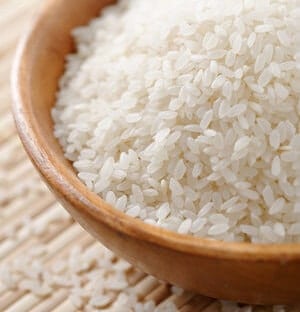
Japanischer Kurzkornreis hat einen höheren Stärkegehalt als Langkornreis und benötigt eine andere Wassermenge als Langkornreis. Kurzkornreis ist klebriger und besser geeignet, um seine Form zu behalten, wenn er zu Sushi gerollt wird. Langkornreis („normaler“ Reis) ist einfach nicht klebrig genug für die Sushi-Zubereitung. So sollte eine Packung Sushi-Reis aussehen.
Sushi-Reis abmessen
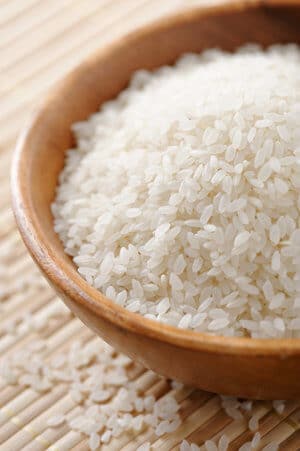
Bereiten Sie ca. 240 ml Sushi-Reis pro 3 Sushi-Rollen zu. Jede Rolle ergibt 6-8 kleine Sushi-Stücke. Pro Person werden 2 Rollen empfohlen, je nach persönlichen Vorlieben. Waschen Sie den Reis (ca. 240 ml = 3 Rollen) 1-2 Minuten lang unter fließendem Wasser, bis keine Stärke mehr austritt. Für beste Ergebnisse lassen Sie den Reis 30 Minuten in Wasser einweichen, um ihn weicher zu machen.
Nach dem Waschen den Reis vorsichtig in einen Topf geben und mehr Wasser als Reis hinzufügen. Das Verhältnis sollte etwa 1,2:1 zugunsten des Wassers sein. Das sind 20 % mehr Wasser im Vergleich zum Reis. Fügen Sie nicht mehr Wasser hinzu, sonst erhalten Sie Teig statt Reis.
Immer noch unsicher? Schauen Sie sich unseren Mengenrechner an.Den Reis kochen
Kochen Sie den Reis zuerst bei hoher Hitze und rühren Sie alle ein bis zwei Minuten um, bis das Wasser kocht. Reduzieren Sie dann die Hitze auf niedrig und decken Sie den Topf ab. Überprüfen Sie nach 6-8 Minuten den Wasserstand – wenn kein Wasser mehr vorhanden ist, sondern nur noch größere Reiskörner im Topf, ist der Reis fertig. Falls nicht, überprüfen Sie jede Minute erneut und achten Sie darauf, dass der Reis am Boden nicht anbrennt.
Mengenrechner
Wir helfen Ihnen bei allen Berechnungen. Wählen Sie aus, wie viel Sie zubereiten möchten, und der Rechner liefert Ihnen die Mengen. Probieren Sie es aus!
Einheiten:
Den Reis entnehmen
Verwenden Sie beim Entnehmen des Reises aus dem Topf nur einen Holzlöffel, um den gekochten Reis zu handhaben. Ein Metalllöffel kann den Reis beschädigen und auch mit dem Essig reagieren, den wir später hinzufügen werden.
Zweitens, kratzen Sie den Reis nicht vom Topfboden ab. Wenn er leicht herauskommt, ist das großartig. Andernfalls verwenden Sie ihn nicht. Der Reis wird schlecht schmecken. Geben Sie ihn zum Abkühlen in Holz- oder Plastikschüsseln.
Den Reis würzen
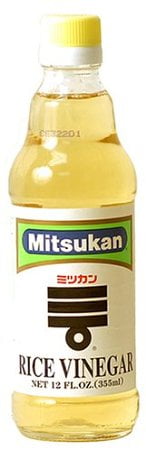
Reisessig, gemischt mit Zucker und Salz, ist unerlässlich, um Sushi seine unverwechselbare Geschmackskombination zu verleihen. Wenn Sie diesen Teil vernachlässigen, wird Ihr Sushi nicht ganz so schmecken, wie es sollte. Es wird nicht empfohlen, Reisessig zu ersetzen, da die meisten anderen Essigsorten viel zu stark sind. Reisessig ist delikater und fügt sich perfekt in den Reis ein.
Wie man den Reis würzt
- Für ca. 720 ml trockenen Sushi-Reis verwenden Sie ca. 120 ml Reisessig, 30 ml Zucker und 10 ml Salz. Verwenden Sie nur Reisessig! Jede andere Essigsorte wird schlecht schmecken. Alternativ können Sie auch Sushi-Reis-Gewürzpulver verwenden.
- In einem kleinen Topf bei mittlerer Hitze verrühren, bis alle festen Bestandteile vermischt sind.
- Die Mischung über den Reis gießen und gut vermischen. Das sollte ein bis zwei Minuten dauern.
- Lassen Sie den Reis einige Minuten abkühlen, bis er Raumtemperatur erreicht hat. Stellen Sie den Reis nicht in den Kühlschrank, um ihn schneller abzukühlen – das schädigt den Reis. Sie können jedoch einen Ventilator, eine Klimaanlage verwenden oder ihn ans Fenster stellen.
Wichtiger Tipp – Manche Leute bevorzugen weniger gewürzten Sushi-Reis. Auch die Stärke des Reisessigs kann je nach Marke variieren. Wenn Sie zum ersten Mal Sushi-Reis zubereiten oder unsicher sind, bereiten Sie die Hälfte der oben beschriebenen Gewürzmenge zu. Mischen Sie es mit dem Reis und probieren Sie.
Vertrauen Sie Ihrem eigenen Gaumen, ob Sie die volle Menge verwenden möchten oder nicht.
Abschließende Gedanken
Das war’s, Sie haben es geschafft! Nehmen Sie sich bitte einen Moment Zeit, um Ihre Erfahrungen im Kommentarbereich unten zu teilen. Ist es so geworden, wie Sie es erwartet haben? Besser? Stellen Sie alle Fragen, die Sie haben, jemand wird sie beantworten können, und es könnte sogar anderen Leuten mit der gleichen Frage in Zukunft helfen. Und am wichtigsten: Viel Spaß beim Sushi-Machen!


![Wie man Tamago Sushi zubereitet [Rezept]](https://sushimachen.com/wp-content/uploads/2016/02/tamago_rec-60x60.jpg)





Brilliant, just brilliant! I always thought sushi rice was too complicated so never tried. This was my first time and it turned out absolutely perfect. I still can’t believe it. Like others, I used a little less vinegar than you suggested but everything is a matter of taste. Following your instructions, the consistency was unbelievably good. I’m feeling rather smug now. Thank you 🙂
We’ve used this recipe several times and always been happy with the results. The best time was when three family members faced off in a sushi making challenge which was a lot of fun. By the way the winner was the then 11 year-old who had practiced ahead of time, leaving his parents in the dust so to speak!
This was a great sushi rice recipe. I grew up making white and brown rice for dinner every day, and this was perfect, thank you.
this recipe has the best sushi vinegar mixture. i prefer it very sour and not much sweet. other recipes are too sweet and no vinegar taste.
I make recipes exactly how recommended first to see if I like it and then adjust next time if not. Ive made sushi and poke bowls quite a few times and this recipe was the perfect consistency of all recipes I’ve tried but a tiny bit too much vinegar for my taste. Other than that great job!
First time I was able to make some decent sushi rice! Thank you so much for sharing!
This is the perfect way. The first time I made was from an on line video and exactly as described. To cool the rice I used a clean cloth soaked in cold water over a bowl which I put the rice in after cooking. If you find the method for making the seasoning fiddly it’s possible to buy the seasoning ready made and yes try a little at first if not sure. Also I always use a wooden spoon and am gentle with the rice once cooked. It also can be made hours before preparation of the sushi which is how I do and refresh my damp cloth over the rice. Seemed so complicated but with mindfulness and good preparation it becomes so easy. A very cheap and healthy meal. Delicious
Thank you for this recipe. I used it to make sushi at home tonight. It was perfect!
Probably too much Rice Wine Vinegar for me. Will use less next time.
This IS the PERFECT Sushi rice recipe! My guests couldn’t believe that this was my first time making sushi. It tasted exactly like the one served in restaurants 🙂 Thank you!
wow
I love it thank you
Glad I found this recipe, turned out great and easy to work with. I had tried 4 other recipes before, this has been the best so far (….and all others had claimed to be perfect sushi rice)
Thank you for this recipe! I don’t cook much, but this made it easy. My daughter who loves sushi said this was the best sushi rice she’s had. Now can you make a post for assembling and rolling? 🙂 Still not great at rolling a tight roll.
We used a sushi maker which is basically a two part mould with gaps to cut up evenly e.g. Pure Orinetal brand
I’ve used a variety of recipes to create sushi rice; this was the first time I didn’t have a thick layer of burnt rice at the bottom of the pan.
Also, other recipes I’ve used asked for a lot more rice vinegar, salt and sugar than this one, so I was a little worried it wouldn’t be enough, but it was absolutely fine.
I used it for poke bowls, so can’t tell you how well it would hold up for sushi, but it seems to stick together will enough, without being wet.
Thank you for sharing your method in so much detail.
Great recipe, only reason I gave it 4.5 stars is that for my personal taste I would cut down just a bit on rice vinegar.
It does say to use half the recommended amount of vinegar if this is your first time making sushi…
I love this recipe, works very well. The calculator is amazing and very helpful
Worked out great for me, thank you!
Is the seasoning poured over cooked rice or is it part of the cooking liquid?
No the seasoning is added after the rice is cooked
Why can’t the vinegar, sugar, salt be added to the water and cook the rice in this solution? Wouldn’t the flavor be better distributed throughout the rice?
Cooking vinegar evaporates it – so simply put you lose some seasoning by cooing it with rice. For best results add the vinegar solution right after the rice had cooked.
I don’t recommend cooking rice with salt because it will make it more mushy. Salt tenderizes things
Lovely mate. Just made it it, lovely rice, perfect for sushi.
Am currently making rice. Thx very much 🍣
You cannot make rice, it is the seed of a culivated plant. You can plant it, harvest it and cook it but you cannot possibly make it.
Are you just making this up?
you know what making rice is in plain english. you could say preparing rice, cooking rice… but making rice is universally accepted..
What kind of rice?
Look for “Japanese rice” or “sushi rice” on the label.
In the USA, you are more likely to find the Californian version of medium-grain Japonica as “Calrose”.
Thanks for your recipe, i made now
What happened to the section on cooking the rice? 😬
can i use FUKUIZUMI cooking wine for my sushi rice
Hello, can you explain if the measurement of cup here refers to a regular cup or a rice cup? The cup came with the rice cooker is a smaller size cup and is what I use when I cook rice. Thanks.
I think that the ratio is what is essential here, rather than the actual volume. 3 cups dry rice to 1/2 cup vinegar, so long as you use the same measuring vessel. It’s 6:1.
I know this was forever ago. I was always told when using a cup for rice it doesnt matter the size (measuring compared to coffee cupnor other cup) as long as you use the same size cup for water too.
I just cooked some perfect rice. Thank you!!!
Hi I just would like to know the portions in Grams since I live in Europe.
Can anyone help me??
I would like to know for 5 sushi rolls
You can change the measurement to metrics
I have read through many times and can’t seem to find the cooking time for stovetop cooking?
Great job on this recipe. Informative and concise. Turns out perfect each and every time.
Took your suggestion of having my girlfriend assemble the rolls and nigiri as part if her birthday dinner surprise.
Great recipe!! Made quarantine a little more fun
Mirin
A staple ingredient that is commonly used in Japanese cuisine, mirin is a sweet rice liquor that is fermented with koji, which is used to make the alcoholic drinks saké and shochu. Approximately 400-500 years ago, a typical seasoning comprised a mixture of shochu and mirin. This mixer was commonly consumed as an alcoholic liquor or as a sweetener to make shochu more tolerable to drink.
Mirin is made by adding shochu, a distilled spirit from rice, halfway through the saké brewing process. The shochu stops the process by killing the fungus in the fermenting rice. Mirin is also made by using steamed glutinous rice, a sweet mochi rice, mixed with rice malt and distilled rice shochu. Interestingly, glutinous rice is, in fact, gluten-free. Shochu alcohol stops the malt function, decomposes the protein and starch found in glutinous rice, and stops the saké fermenting and becoming sweet and thick. In general, the addition of shochu gives mirin a light, sweet, and slightly malty taste, which makes it suitable for either drinking or cooking. Amazake Saké is also made in the same way; however, it is stored and cured for an additional 18 months.
When it comes to purchasing a good-quality mirin, much of the products sold in stores today are nothing like the original malted rice liquor. In fact, many Japanese companies based in the USA that produce mirin use corn syrup instead of the natural method of production, which is really a shame!
“Real” mirin should taste like a rice Liquor with a mildly sweet taste and can be enjoyed as a cocktail mixed with soda or even fruit juices. When used as a garnish or dressing, mirin has a savory flavor, a caramel color, and a glossy sheen.
Here, it should be noted that mirin is neither saké nor vinegar. Moreover, mirin should not be mistaken for sweetened rice wine. An authentic mirin should contain approximately 12-14% alcohol, and because of the way it ages, along with its sugar content, mirin has a golden to light-amber color and a slightly thick consistency. Please don’t let false labeling convince you that are buying a “real” mirin.
Mirin is also used to make sushi rice as it gives a mild sweetness and deeper flavor to the rice, as well as the velvety texture that makes sushi really special. Mirin is an essential ingredient in the Japanese culinary arts. If you are planning a special meal or dinner, make sure to buy high-quality ingredients. This is especially true for mirin and Japanese rice, which should always be high-quality.
Very interesting – Thanks for sharing! How do you know so much about mirin?
Thanks for the information …enjoyed that bit of reading
I have been using this recipe for years and it never disappoints 😊